

The Release Hub Guide to Rolling and Recovery
Understanding how to use your equipment is just as important as the equipment itself. This guide helps you navigate myofascial release tools and stretching equipment safely and effectively, with practical advice for foam rolling exercises, stretching for beginners, and post-workout recovery from home.
Start Reading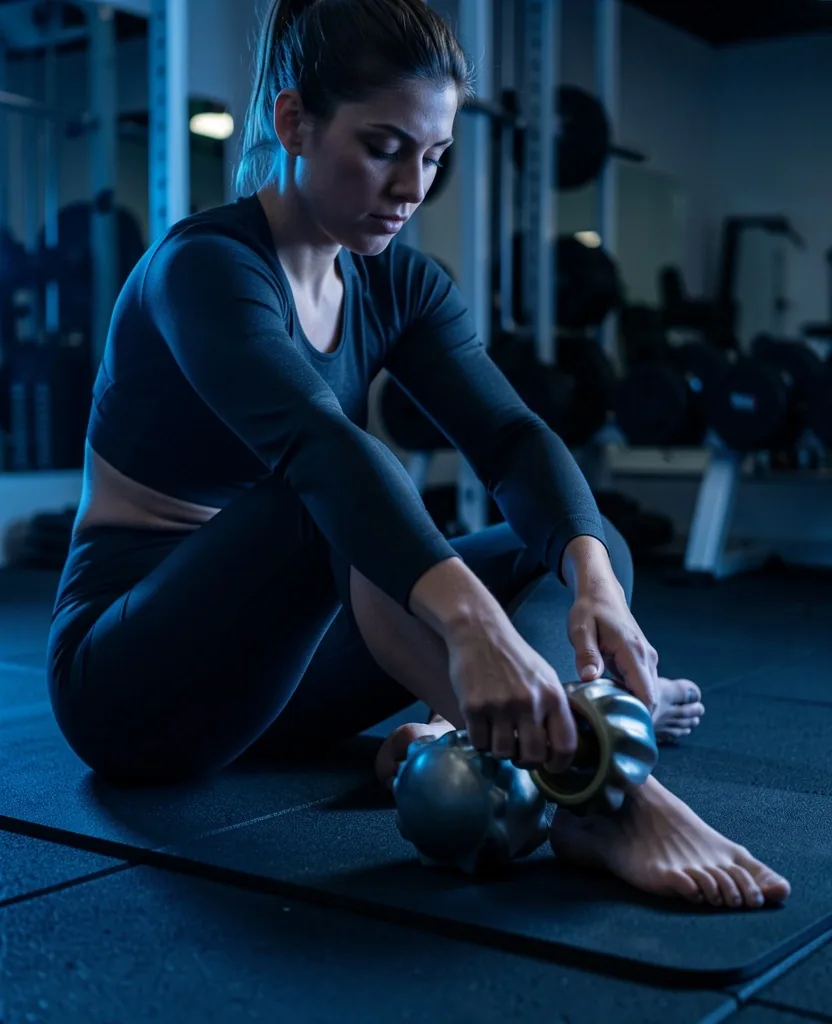
Getting Started with Foam Rolling
Foam rolling is a form of self-massage that targets the fascia — the connective tissue surrounding your muscles. When you first start, go slowly and listen to your body's feedback. Begin with larger muscle groups like the calves and lats before moving on to more sensitive areas. Use your breath to help your muscles relax into the roller.
Avoid rolling directly over bony prominences or joints. The goal is to work the soft tissue, not grind against bone. If you find a particularly tender spot, pause and let your weight settle before moving on. A foam roller with moderate density is a good starting point for most beginners — too firm and you may tense up, too soft and you will not get enough pressure to reach the deeper layers.
Essential Foam Rolling Exercises
Several key movements form the core of any rolling routine. For the upper body, rolling the thoracic spine can help with posture and shoulder mobility. For the lower body, focusing on the IT band and quads can help manage the tension associated with running or cycling.
Spend about 30 to 60 seconds on each area, moving at a pace of roughly one inch per second so the tissue has time to respond to the pressure. Here is a quick reference for structuring your sessions:
Calves and lats first
Large muscle groups tolerate pressure well and help you learn the basic rolling motion.
Thoracic spine for posture
Support your head with your hands and roll gently from mid-back to upper back.
Quads and IT band
Use your forearms to control how much body weight you commit to the roller.
30 to 60 seconds per area
Move slowly — about one inch per second — so the tissue has time to respond.
How to Release Muscle Knots
A muscle knot is a localized area of tension that can feel like a small, hard lump under the skin. To address these using a peanut massage ball or a single massage ball, locate the sensitive spot and apply steady, moderate pressure. Instead of rolling back and forth rapidly, hold the position and breathe until you feel the tension begin to dissipate.
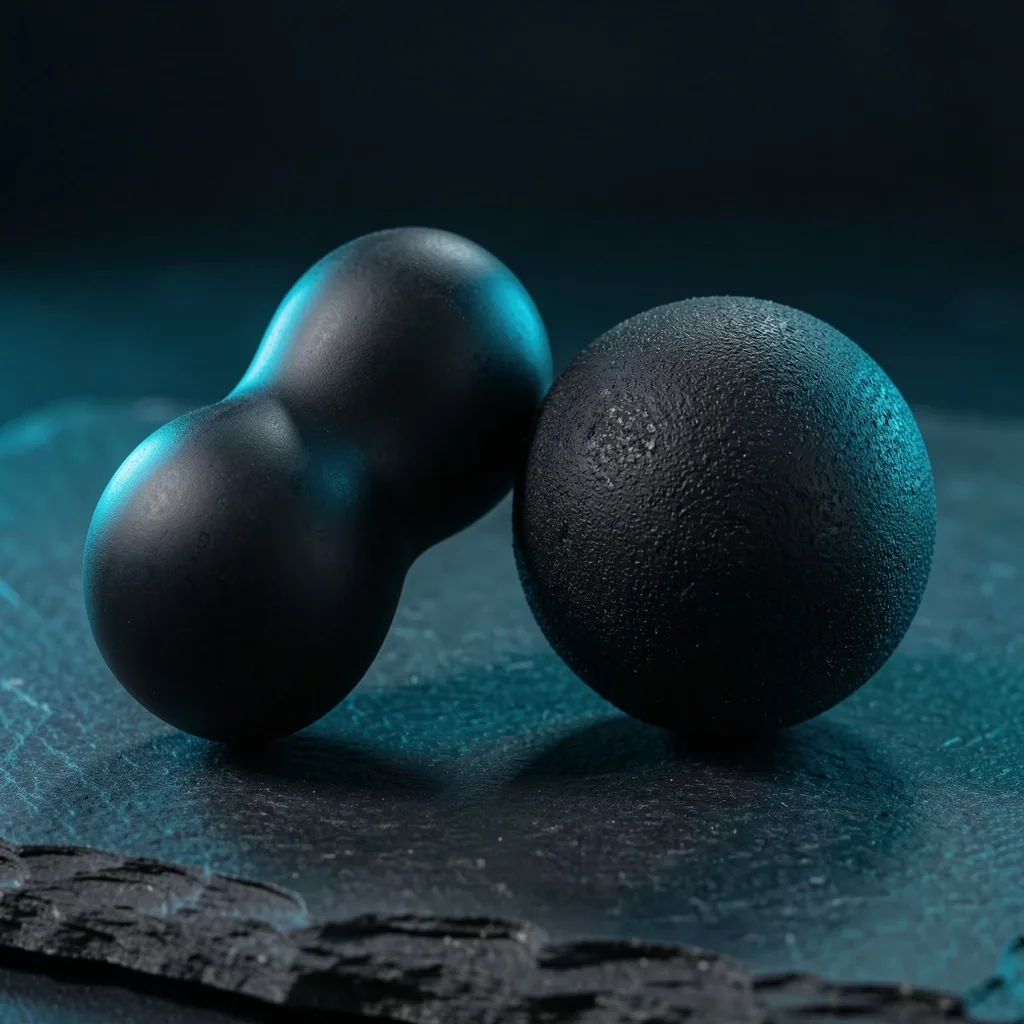
This targeted approach is often more effective than general rolling for stubborn areas of discomfort. A peanut massage ball — two spheres joined together — works well along the spine because the gap cradles the vertebrae while the balls press into the muscle on either side. For single-point work in the shoulders or glutes, a solid massage ball gives you more focused pressure.
Peanut Massage Ball
Best for spinal muscles — cradles vertebrae while pressing into tissue on either side.
Single Massage Ball
Best for shoulders, glutes, and feet — focused pressure on a single point of tension.
Stretching for Beginners: A Safe Approach
If you are new to stretching, the most important rule is to never push into sharp discomfort. Use a yoga mat to provide a comfortable surface and consider using stretching equipment like straps to help you reach the correct positions without forcing the range.
Focus on static stretches — holding a position for 20 to 30 seconds — to allow your nervous system to relax the muscles. Breathe steadily throughout each hold. Consistency is more important than intensity when you are just starting out.
A simple body stretching routine done three or four times a week will do more for your flexibility than an intense session once a month. Track which stretches feel easy and which feel restricted, and give the restricted areas more attention over time.
Mobility Tools for Seniors
Maintaining mobility matters as we age — it supports independence and everyday quality of life. We recommend mobility tools for seniors that are easy to handle and provide plenty of support. A back support cushion while sitting and light foam rolling exercises can help maintain joint health.
Gentle movement and regular use of a high-quality pilates mat for floor exercises can improve balance and coordination. Choose a softer-density foam roller if grip strength or balance is a concern, and always work near a wall or chair for support when starting out.
Safe exercises for knees — including supported leg swings and gentle quad stretches — help maintain range of motion without putting unnecessary load on the joint. The aim is steady, comfortable movement rather than pushing limits.
Stretching for Stiff Back Relief
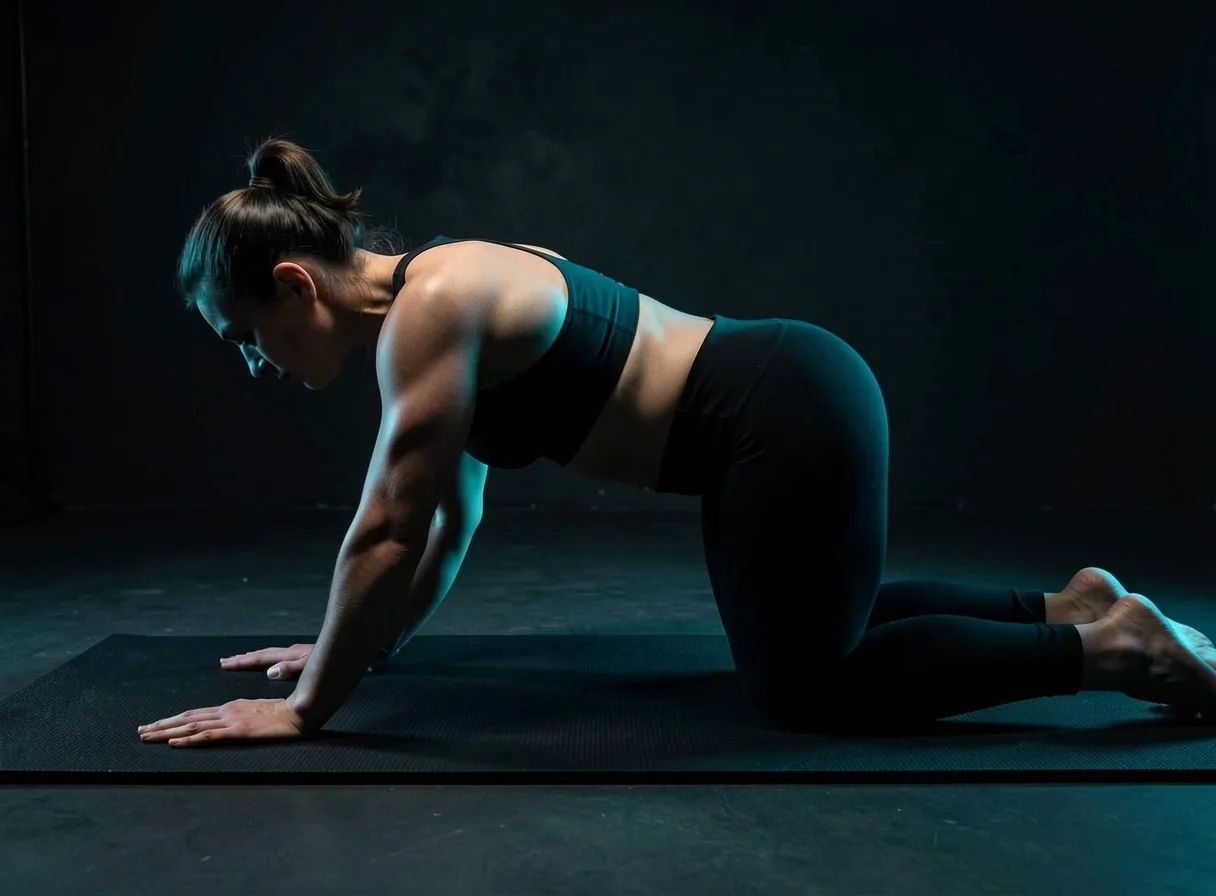
A stiff back is often the result of tight hip flexors or a rounded upper spine rather than a problem with the back itself. Exercises such as the cat-cow on a yoga mat or using a back stretching bridge can help restore a healthy range of motion.
It helps to address the muscles both above and below the back to get lasting results. Tight hip flexors pull the pelvis forward, which arches the lower back; tight chests pull the shoulders forward, which rounds the upper back. Work on both areas as part of your body stretching routine.
Incorporating these movements into your daily routine can help manage the effects of long hours at a desk. Even five minutes of targeted back stretching in the morning or evening can make a noticeable difference over a few weeks.
Post-Workout Recovery Protocols
After a workout, your goal is to transition your body from a state of stress to a state of repair. Start with light stretching while your muscles are still warm, then move into a short foam rolling session. This sequence helps calm the nervous system and encourages blood flow to the working muscles.
Using a knee support sleeve after leg day can provide a sense of stability while your muscles are fatigued. It is not a substitute for rest, but it can help you move with more confidence on the days following a heavy session. For upper-body sessions, a muscle massage roller on the lats and shoulders rounds out the routine nicely.
01 — Light static stretching
Hold each stretch for 20 to 30 seconds while muscles are still warm.
02 — Foam rolling session
Spend 30 to 60 seconds per muscle group at a slow, deliberate pace.
03 — Support and stability
Use a knee support sleeve or back support cushion if the session was demanding.
Safe Movement and Equipment Safety
Always check your equipment for wear and tear before use. Resistance bands should be inspected for small nicks or tears, and your yoga mat should be kept clean to maintain its grip. When performing safe exercises for knees, ensure you are using a surface that is not slippery.
- Inspect resistance bands and fitness bands for nicks before every session.
- Keep yoga mats and pilates mats clean to preserve grip.
- Work on a non-slip surface — never directly on hard flooring.
- Store foam rollers away from direct heat to preserve foam density.
Put the Guide into Practice
Browse our full range of myofascial release tools and stretching equipment, or keep exploring the techniques covered in this guide.
Related Equipment
Release Hub — 77 Recovery Court, Leeds, LS1 2HL, United Kingdom